


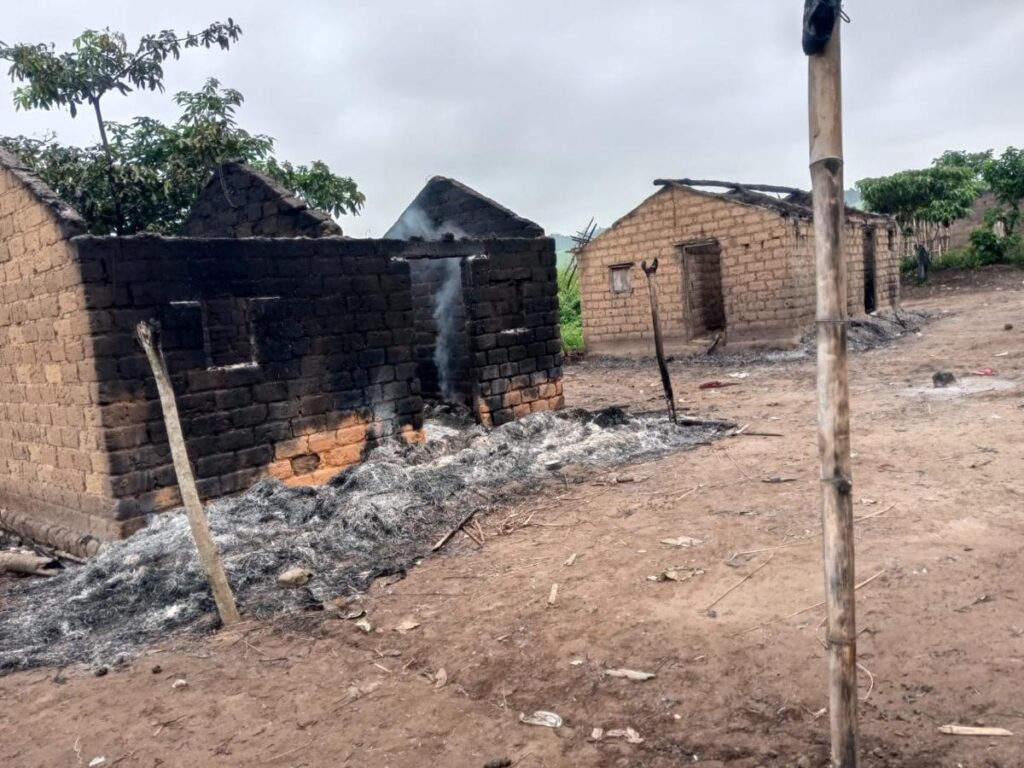
At least 48 people have been killed in Niger State, in west-central Nigeria, during violent clashes between rural communities. The violence, which mainly pits herders against farmers, arises from persistent tensions over access to land and resources. In a region already weakened by insecurity, this latest outbreak of violence is raising fresh concerns.
Central-western Nigeria has once again been shaken by a wave of deadly violence. Clashes between rural communities have reportedly killed at least 48 people, according to several local sources. This latest outbreak of unrest comes against a context of an already extremely unstable security situation, in which the population lives under constant threat.
This bloody conflict has affected several towns and villages, where armed attacks, village burnings and reprisals have been recorded. Numerous homes have been destroyed, forcing many families to seek refuge. The heavy death rate reflects the intensity of the confrontations and the gravity of the situation on the ground.
These acts of hostility stem from long-standing disagreements between herders and farmers, mainly concerning access to arable land and natural resources. For years, these tensions have been worsening in various regions of Nigeria, where it is becoming increasingly difficult for the communities to coexist. Population pressure, the expansion of agricultural activities and the increasing scarcity of resources are exacerbating these rivalries. In addition, there are the effects of climate change, which are reducing the amount of arable land and intensifying competition for pasture and water sources. In such a context, simple misunderstandings can quickly lead to violent conflicts.
The situation is particularly worrying considering that the State of Niger is facing other major security problems. Armed groups and criminal gangs, known locally as “bandits”, frequently raid villages, carrying out a growing number of incidents of looting, kidnappings for ransom and deadly attacks.
This widespread insecurity further weakens local communities and complicates the management of inter-community disputes. Many observers believe that this latest wave of violence highlights the urgent need to strengthen security in rural areas and to put in place sustainable solutions to prevent further tragedies.